The Road Ahead: 2026 Freight and Auto Logistics Trends Redefining the Industry
By Doorfox Team
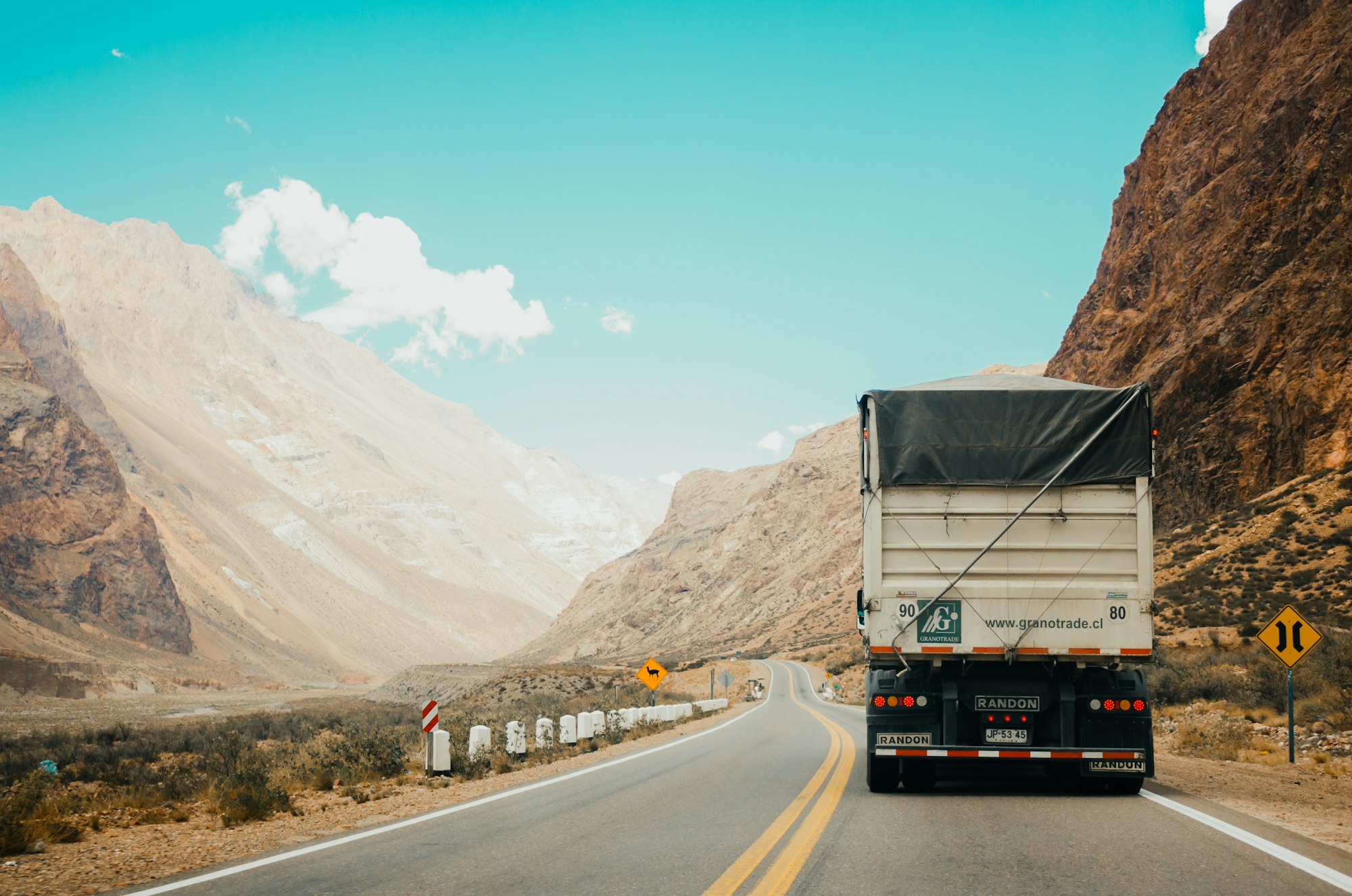
From autonomous hub-to-hub trucking to AI-driven digital control towers, explore the technological shifts and sustainability mandates shaping the logistics landscape in 2026.
The Great Decoupling: Autonomous Hub-to-Hub Logistics
By 2026, the long-haul trucking landscape has fundamentally shifted. We are no longer discussing 'if' autonomous trucks will hit the road; they are already here, logging tens of thousands of driverless miles weekly across the southern freight corridors. The industry has settled on a highly efficient 'hub-to-hub' model that maximizes the strengths of both machine and human.
- Efficiency Gains: Autonomous systems handle the monotonous, high-speed highway segments 24/7, reducing accidents by up to 67% per million miles.
- Human Integration: Local human drivers remain indispensable, managing complex urban navigation and yard operations at transfer facilities.
- Cost Optimization: This hybrid approach allows for nearly double the vehicle utilization compared to traditional human-only operations, significantly lowering the cost per ton-mile.
The Digital Twin Revolution and Control Towers
Visibility is no longer a luxury; it is the baseline for 2026 logistics operations. Leading firms are now deploying comprehensive digital twins—virtual replicas of their entire supply chain—to simulate disruptions and optimize routing in real time.
"In 2026, a logistics provider without a digital twin is navigating a 3D world with a 2D map. Real-time visibility and scenario modeling are now the primary differentiators in tender competitions."
Advanced 'Control Towers' integrate IoT sensors and computer vision to track finished vehicles from the factory floor to the dealership. This reduces dwell times and automates damage detection, ensuring that supply chain velocity remains high even as global complexity increases.
Electrification and the Infrastructure Gap
The transition to Electric Vehicles (EVs) in the freight sector has moved beyond pilot programs. In 2026, smart charging infrastructure is being integrated directly into logistics hubs. However, the focus has shifted from simple vehicle acquisition to sophisticated energy management.
Key Infrastructure Trends:
- High-Power Charging: Deployment of 240-360 kW stations at strategic highway nodes to minimize downtime for heavy-duty electric trucks.
- Dynamic Grid Response: AI-driven systems now schedule charging based on grid demand and electricity pricing, turning logistics hubs into active participants in the energy market.
- Battery Intelligence: Real-time battery health monitoring and predictive maintenance have increased the operational lifespan of EV fleets by an average of 15%.
Sustainability as a Mandate, Not a Choice
2026 marks a turning point where sustainability reporting has become a regulatory requirement in many jurisdictions. Shippers are increasingly prioritizing partners who can provide verifiable Scope 3 emissions data.
This 'Green Logistics' movement is driving the adoption of biofuels for edge-case routes where electrification isn't yet feasible, and aggressive route consolidation strategies powered by machine learning. At Doorfox, we see these trends not just as challenges to be met, but as opportunities to build a more resilient, innovative, and authoritative logistics network for the future.